In short: e-bike range in cold weather drops because lithium-ion cells release energy more slowly when they are cold. At around 0 °C, expect roughly 20–30% less range; at −10 °C, it can be 35–40% less. The good news: the capacity is not lost. It comes back as soon as the battery warms up, and a few simple habits win back most of the missing kilometres.
Every winter, riders write to us with the same question: “My battery showed 80 km in September – why does it only do 55 km now?” Nothing is broken. It is chemistry, and once you understand it, you can work with it.
Why does e-bike range drop in cold weather?
Inside a lithium-ion battery, charged particles travel through a liquid called the electrolyte. When it gets cold, that liquid thickens. As a result, the particles move more slowly and the battery’s internal resistance rises.
Two things follow. First, the battery cannot deliver all of its stored energy. Second, the voltage sags under load, so the controller thinks the battery is emptier than it really is. Consequently, the display may jump from three bars to one on a steep climb, then recover when you stop.
The experts at Battery University describe this effect in detail. In short, cold makes a battery temporarily weaker, not permanently smaller.
How much e-bike range do you lose in cold weather?
The exact number depends on the cells, the load and how long the bike stands outside. Still, these typical values give you a realistic picture:
| Temperature | Typical range compared with 20 °C |
|---|---|
| 20 °C | 100% |
| 10 °C | about 90% |
| 0 °C | about 70–80% |
| −10 °C | about 60–65% |
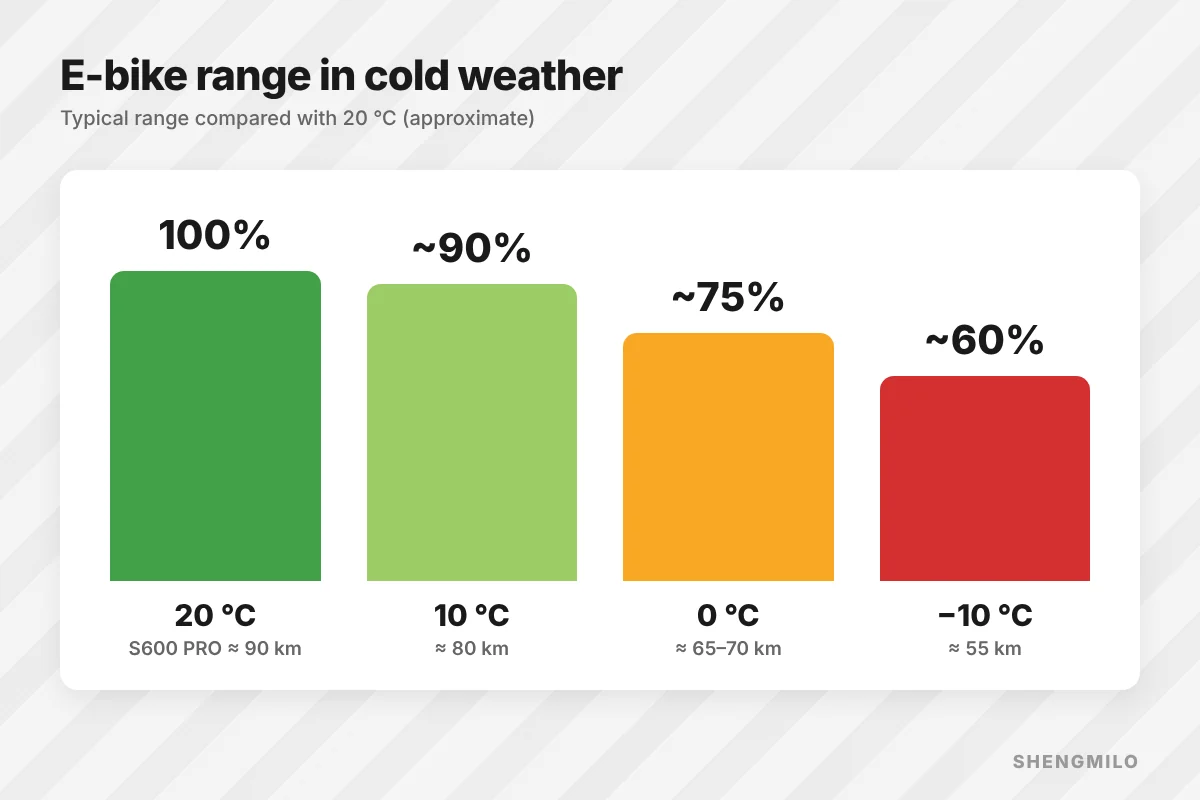
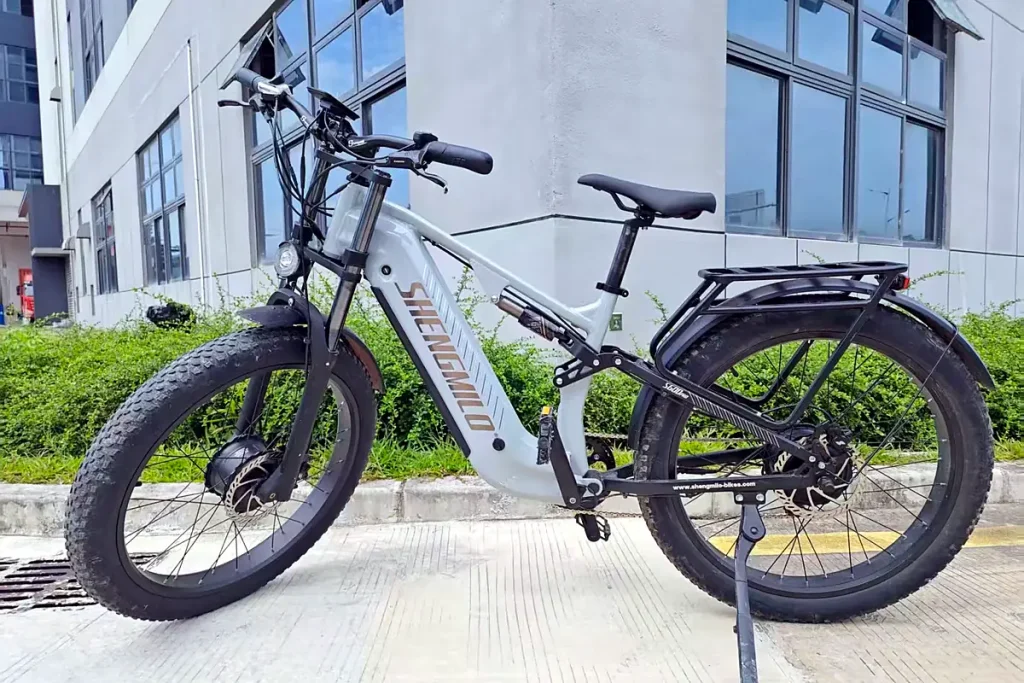
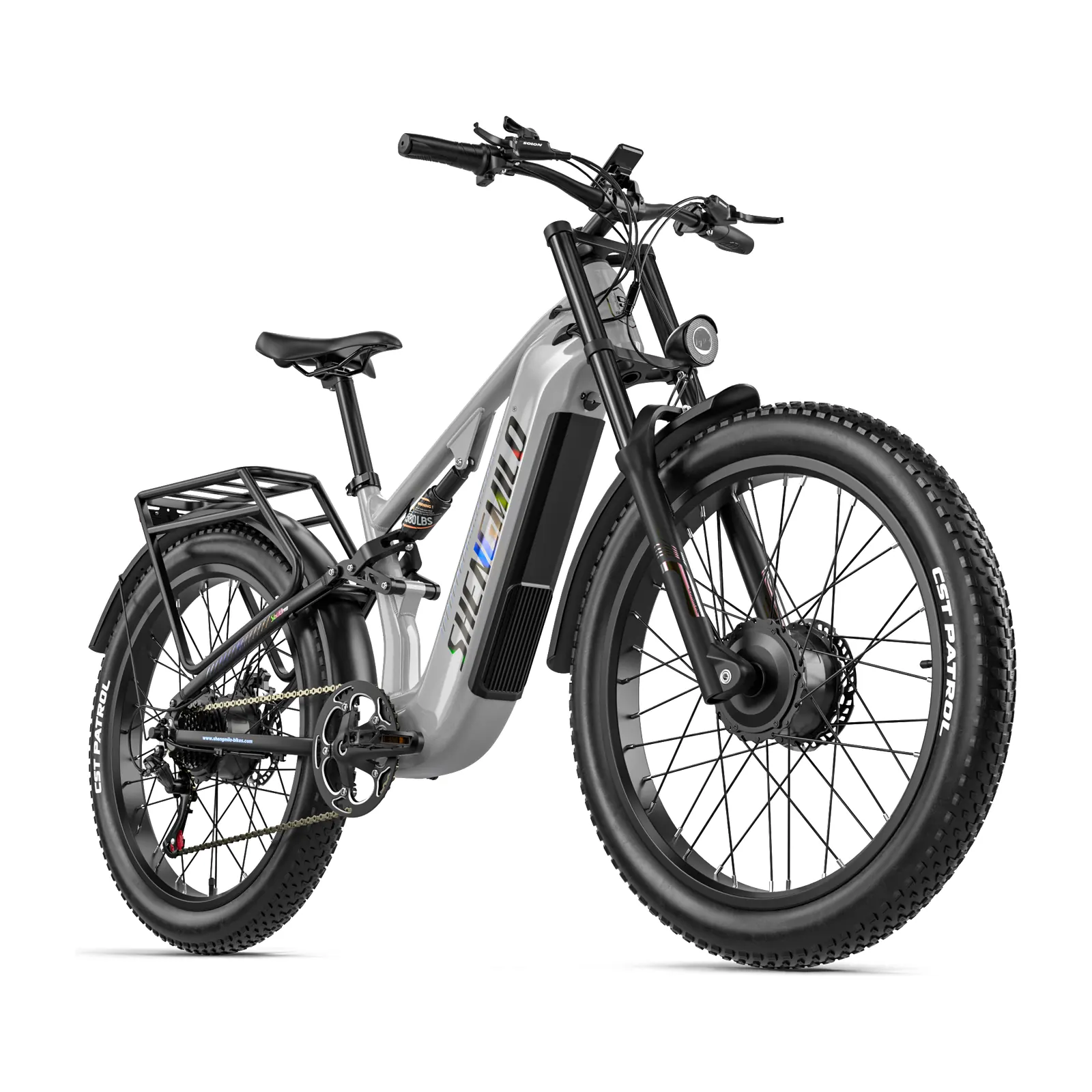
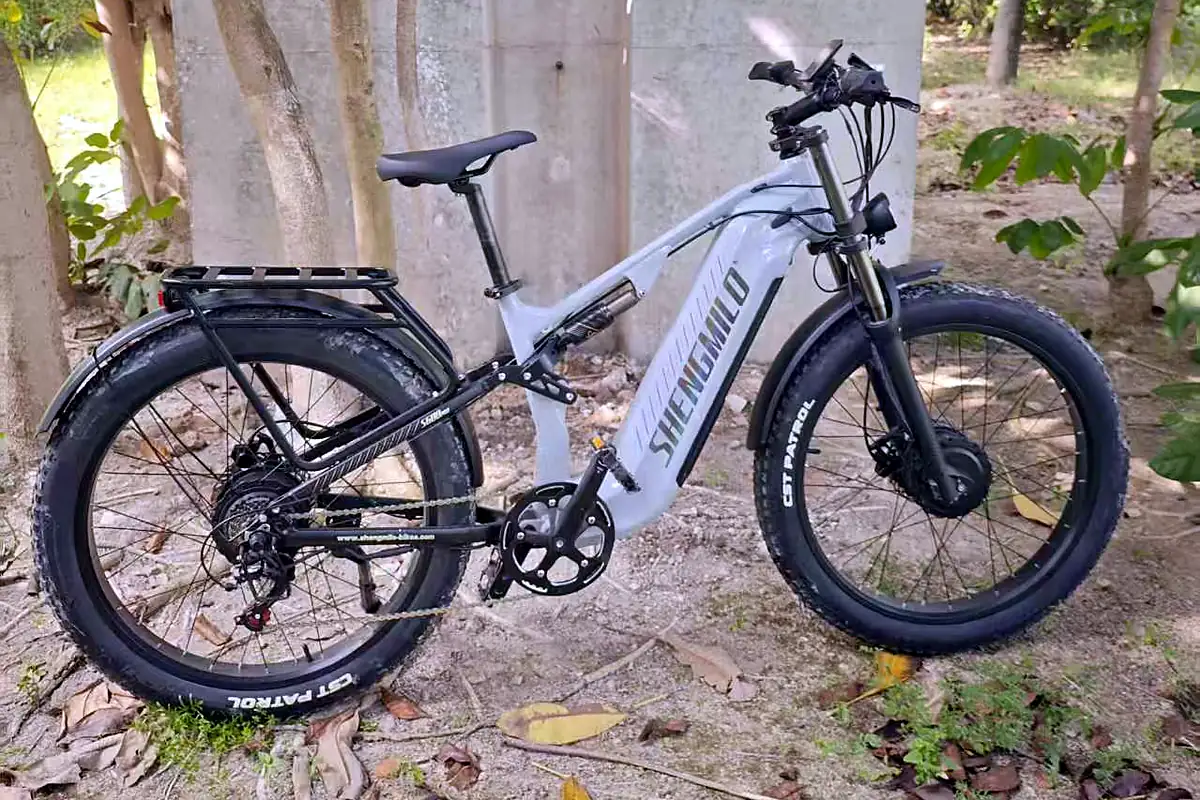
For example, take the Shengmilo S600 PRO with its 1,200 Wh battery. In mild weather it reaches up to about 90 km with pedal assist. At freezing point, plan for roughly 65–70 km instead. That is still more than many standard e-bikes manage in summer.
It is not only the battery
Winter steals range in other ways, too. On top of the cold cells, several small losses add up:
- Thicker air. Cold air is denser, so the wind pushes back harder.
- Softer tires. Lower pressure on snow or mud means more rolling resistance.
- Heavier clothing. A thick jacket catches more wind.
- Stiff grease. Bearings and the chain turn less freely in the cold.
- Lights. In winter they are on for the whole ride.
None of these is big on its own. Together, however, they explain why winter range drops more than the battery chart alone suggests.
7 ways to get more e-bike range in cold weather
1. Keep the battery indoors
This is the single most effective tip. A battery that starts the ride at 20 °C stays warm for a long time, because the cells produce some heat themselves. So store it inside and fit it just before you leave.
2. Charge it warm, at room temperature
Never charge a cold battery. After a freezing ride, let it rest indoors for one to two hours first. Charging below 0 °C can damage lithium cells permanently.
3. Use a battery cover
A neoprene cover works like a jacket for your battery. On long winter rides it keeps the cells warmer for longer and protects them from slush.
4. Choose a lower assist level
Assist level 2 instead of 4 can add many kilometres. In addition, pull away gently. Hard starts draw the most current, and a cold battery handles high current worst of all.
5. Check the tire pressure
On dry roads, keep the pressure at the normal level. Only lower it on snow or mud, where you need the extra grip.
6. Keep moving
Long stops outside let the battery cool down. If you stop for a coffee, take the battery inside with you when you can.
7. Pedal a little more
Your legs are the only part of the bike that likes the cold. Moreover, pedalling keeps you warm, so you win twice.

Does cold weather damage an e-bike battery?
Riding in the cold does not harm the battery. The missing range comes back as soon as it warms up. What does cause damage is charging below freezing and storing the battery for months in a cold shed, completely full or completely empty.
If you plan to stop riding for the winter, follow our guide on how to store an e-bike battery in winter. And if you keep riding, read our tips to ride an e-bike in winter safely on snow and slush.
Plan for less e-bike range in cold weather
The battery gauge is less reliable in the cold, because the voltage sags under load. Therefore, plan winter rides with about one third less range than in summer. Turn back while the battery still shows two bars, not one.
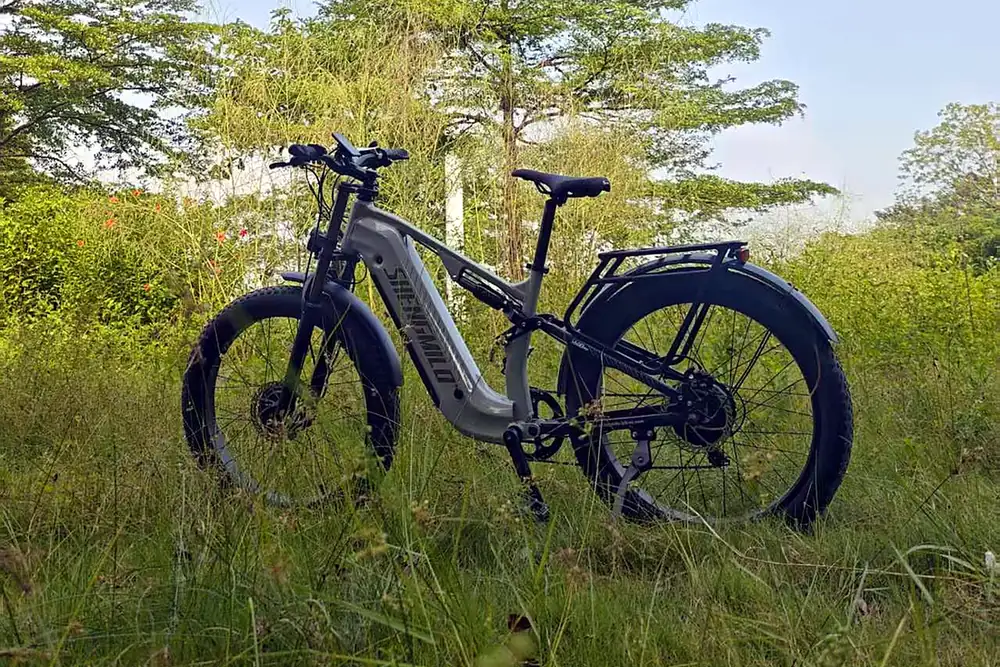
A bigger battery also gives you a bigger buffer. That is why the 1,200 Wh battery of the S600 PRO is such an advantage between November and March. See how far you can go on a 1,200 Wh battery for real summer figures.
E-bike range in cold weather: the bottom line
To sum up, e-bike range in cold weather drops by about a quarter at freezing point, mainly because the battery cells slow down. Keep the battery warm, charge it indoors, ride in a lower assist level and plan a safety margin. Do that, and winter riding is just as much fun as summer riding. Questions about your battery? Contact our support team – we are happy to help.