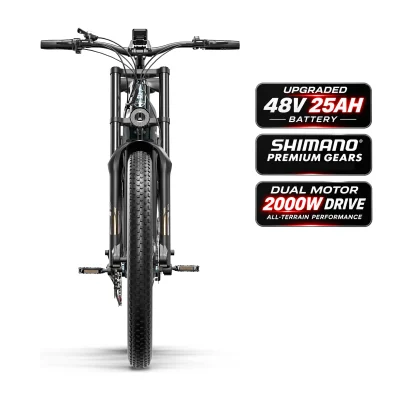
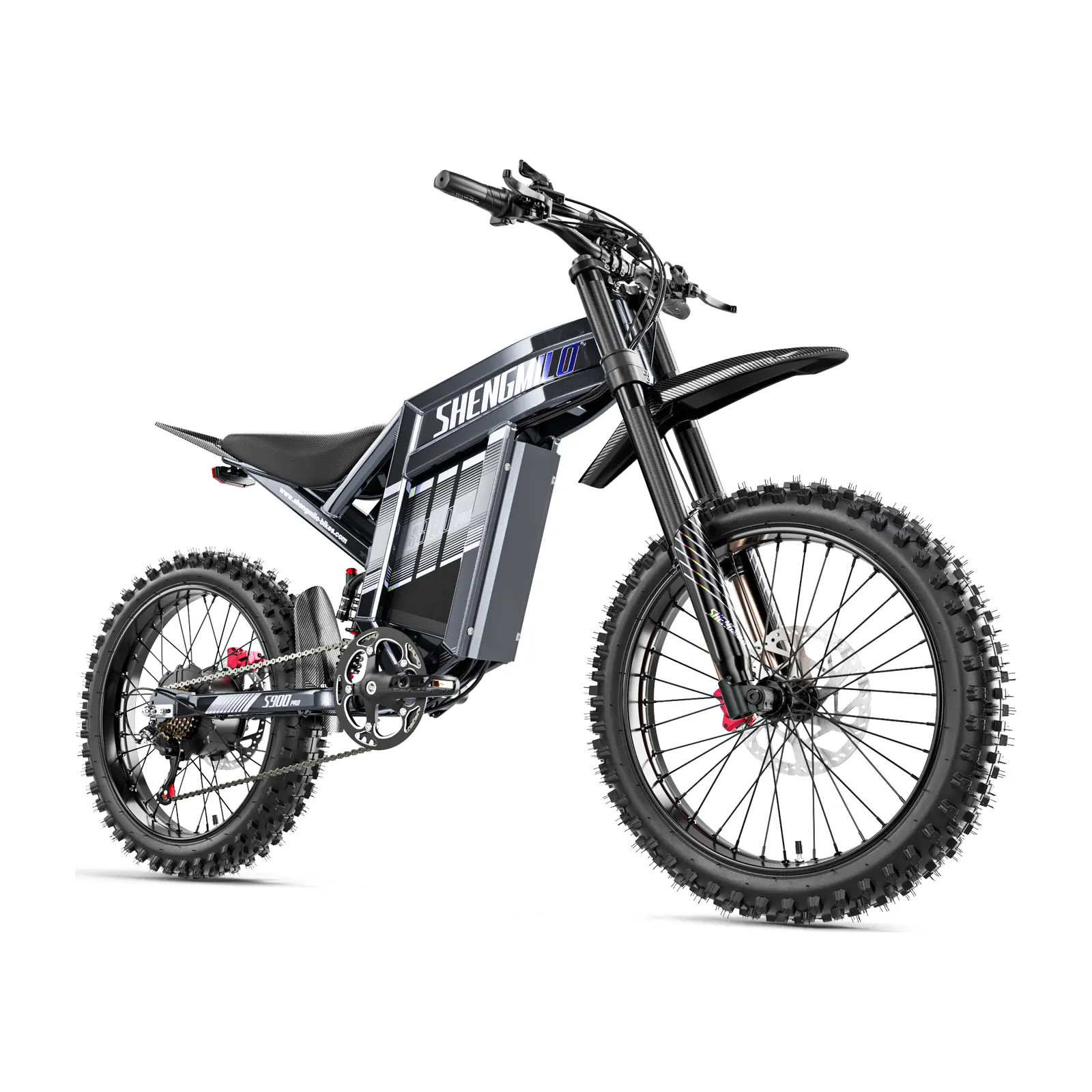
In short: with e-bike specs explained in plain words, buying gets much easier. Watts (W) tell you the motor’s power, newton metres (Nm) its pulling force, volts (V) and amp hours (Ah) describe the battery, and watt hours (Wh = V × Ah) tell you how much energy it stores – the best clue to real range. Below, we explain every number you see on a spec sheet, with real examples.
Spec sheets can feel like a maths test: 1000 W, 80 Nm, 48 V, 25 Ah, 1,200 Wh, 26 × 3.0″. Of course, shops love big numbers, but not every big number means what you think. Once you know what each figure measures, you can compare bikes in minutes and spot the marketing tricks.
E-bike specs explained: motor power in watts (W)
First, watts measure how much power the motor delivers. More watts means more speed on the flat and more push on climbs. However, two different wattage figures often appear:
- Rated (nominal) power: what the motor delivers continuously without overheating.
- Peak power: a short burst, for example when you pull away. It is always higher.
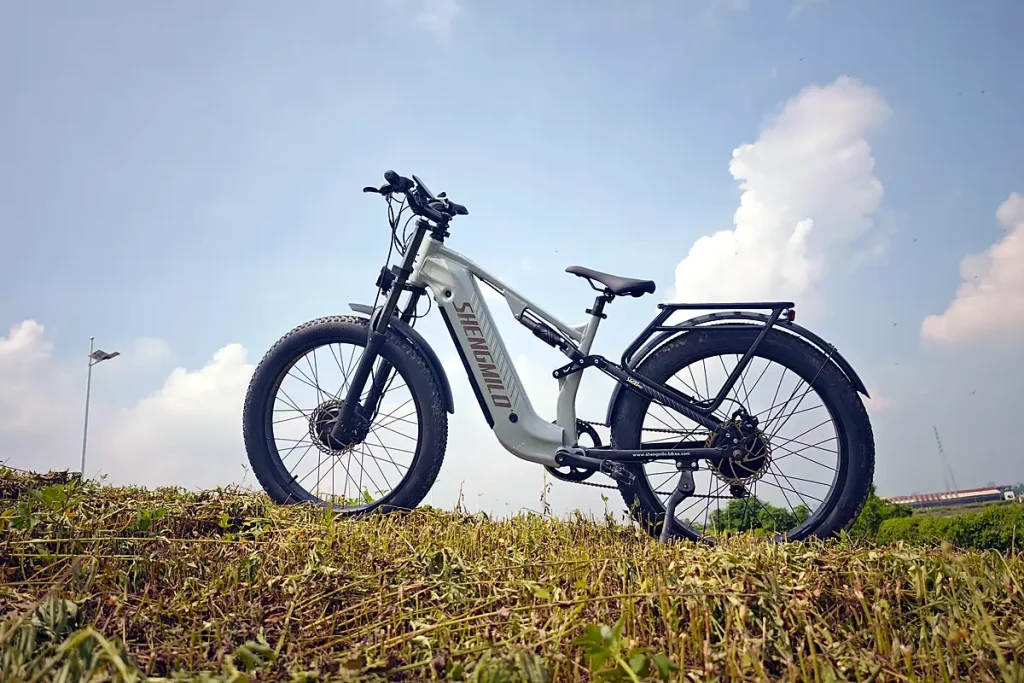
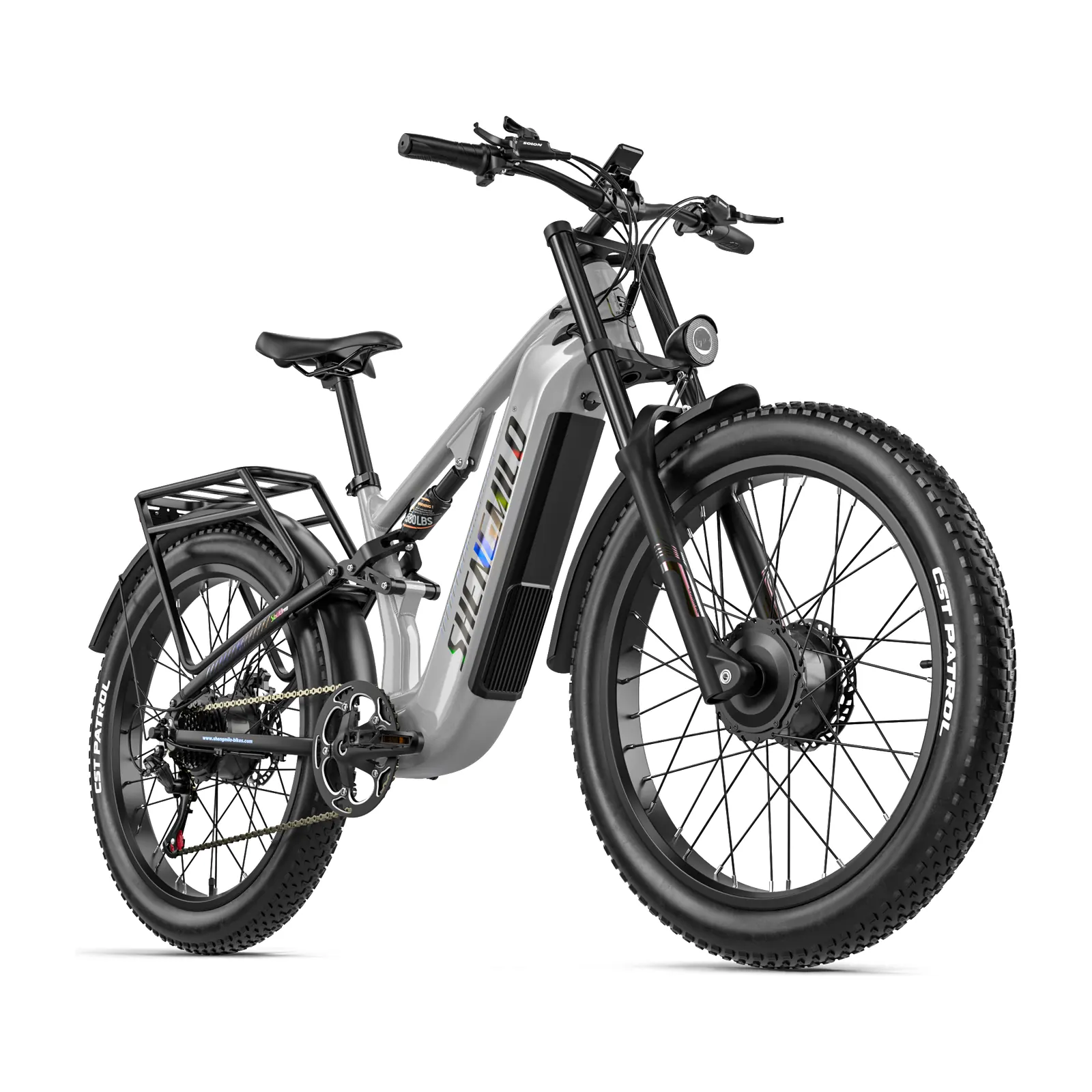
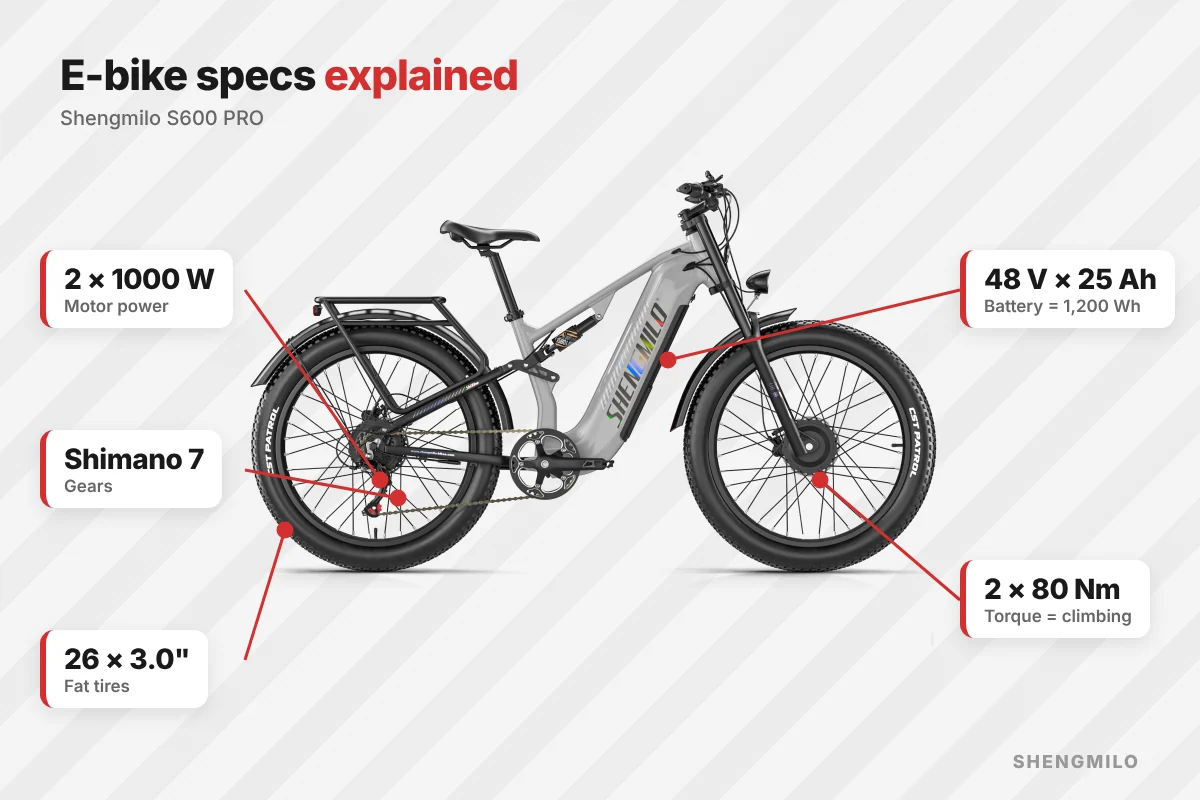
Therefore, always check which number a shop quotes. A “1500 W” bike may be a 750 W motor with a 1500 W peak. For comparison, a legal EU pedelec has 250 W rated power. The Shengmilo S600 PRO has two 1000 W motors, one in each wheel. Our guide to the 2000 W electric bike explains what that feels like.
E-bike specs explained: torque in newton metres (Nm)
Next comes torque, the turning force of the motor. In practice, it decides how strongly the bike pulls away and how well it climbs. For hills, heavy loads and soft ground, torque matters more than watts.
- 40–50 Nm: city bikes on flat ground.
- 60–85 Nm: hills, luggage, light off-road.
- 2 × 80 Nm: the S600 PRO, with two motors sharing the work.
E-bike specs explained: volts, amp hours and watt hours
This is where most confusion starts, so let’s make e-bike specs explained simple for the battery too.
Volts (V)
To begin with, voltage is the electrical “pressure” of the system. Most e-bikes use 36 V or 48 V; some powerful bikes use 52 V or 60 V. Moreover, higher voltage helps a motor deliver more power efficiently.
Amp hours (Ah)
Amp hours tell you how much charge the battery holds. Taken alone, however, Ah means little, because it ignores the voltage. A 20 Ah battery at 36 V stores less energy than a 20 Ah battery at 48 V.
Watt hours (Wh): the number that matters
Watt hours, in contrast, show the total energy in the battery. You calculate it like this: volts × amp hours = watt hours.
- 36 V × 13 Ah = 468 Wh
- 48 V × 15 Ah = 720 Wh
- 48 V × 25 Ah = 1,200 Wh (S600 PRO)
In general, more watt hours means more range. If a shop lists only Ah, do the sum yourself. To see what 1,200 Wh means on the road, read how far you can go on a 1,200 Wh battery.
Range: read the small print
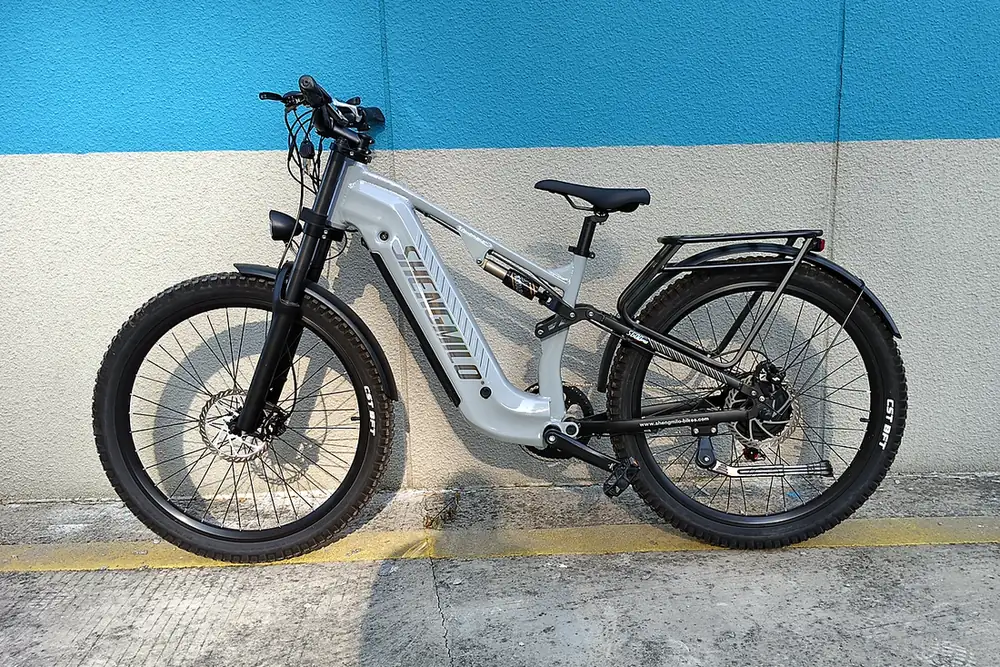
Of course, range figures are always “up to”. Brands measure them in the lowest assist level, with a light rider, on flat ground, in mild weather. Real range depends on your weight, the terrain, the assist level, the tire pressure and the temperature. In winter, for example, e-bike range in cold weather drops by about a quarter.
As a result, a good rule is to compare the Wh of two batteries instead of the range claims of two brands. Watt hours do not lie.
Top speed and legal class
In the EU, an e-bike counts as a normal bicycle only if the motor is 250 W or less and stops assisting at 25 km/h. Anything stronger falls under EU Regulation 168/2013 for light motor vehicles. Powerful bikes like the S600 PRO are therefore made for private land. Always check the rules in your country.
Tires: 26 × 3.0″ and other sizes
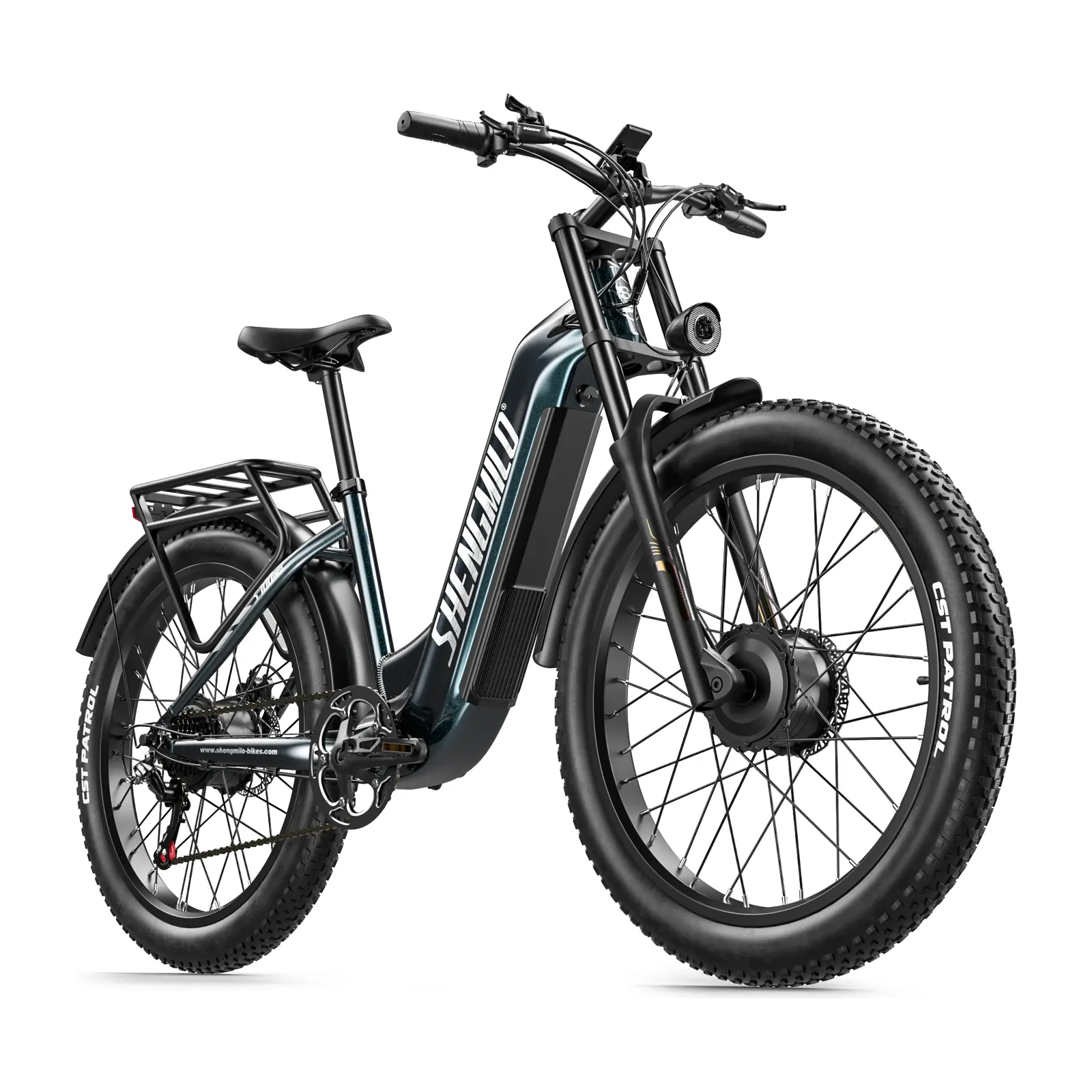
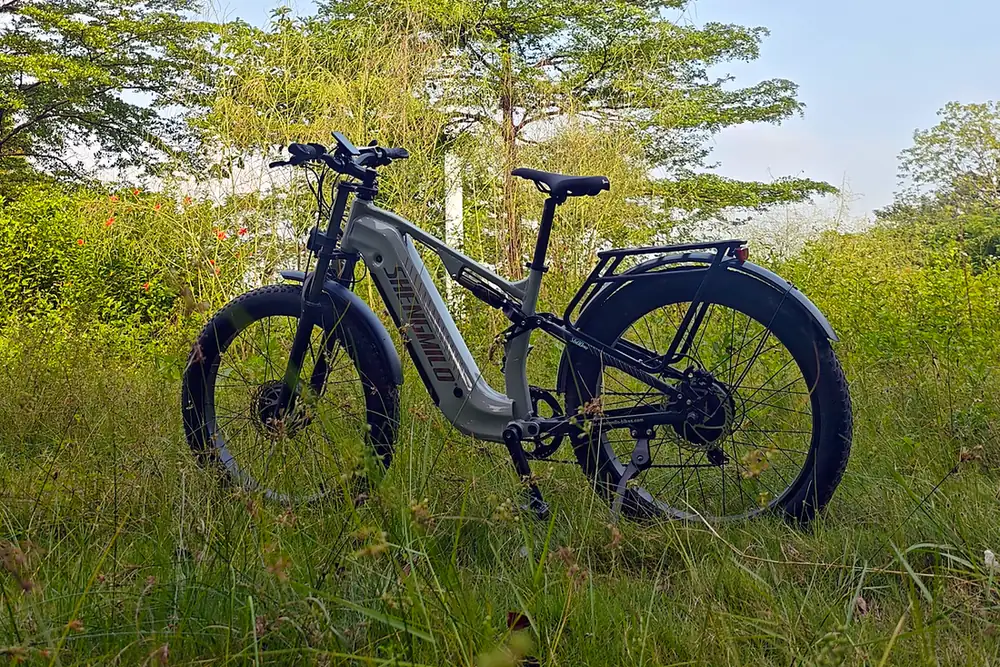
Similarly, tire sizes show the wheel diameter and the tire width in inches. For example, 26 × 3.0″ means a 26-inch wheel with a 3-inch-wide tire. In general, anything from 3 inches upwards counts as a fat tire. Wider tires grip better on soft ground and add comfort, while narrower tires roll more easily on tarmac. See our fat bike vs mountain bike guide for the details.
Weight and maximum load
Bike weight tells you how easy the bike is to lift and carry. Fat tire e-bikes usually weigh 30–45 kg. Maximum load is the total weight the bike can carry: rider, clothes and luggage together. In any case, always leave a margin. Our guide to the e-bike for heavy riders explains why.
Other specs worth checking
- Brakes: hydraulic disc brakes stop better and need less hand force than mechanical ones.
- Suspension: “front” means a suspension fork; “full” means front fork plus rear shock.
- Gears: 7–8 speeds are plenty on an e-bike, because the motor helps on climbs.
- Charging time: usually 5–8 hours for a large battery.
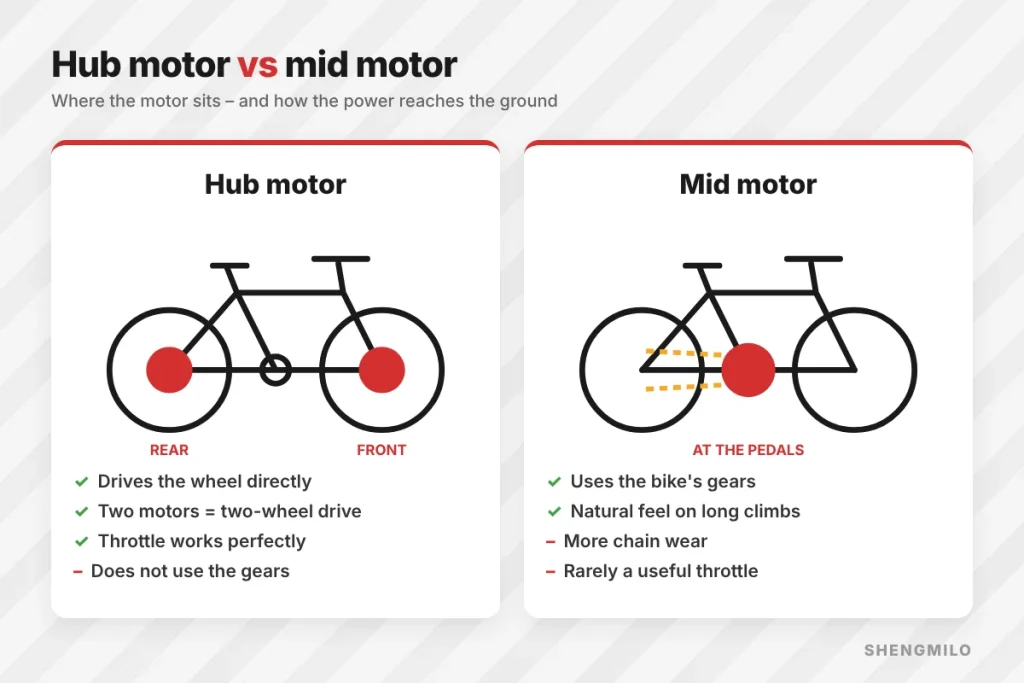
- Motor type: hub or mid motor. Read hub motor vs mid motor to compare.

Cheat sheet: e-bike specs explained in one table
| Spec | What it tells you | S600 PRO |
|---|---|---|
| W | Motor power | 2 × 1000 W |
| Nm | Pulling force, climbing | 2 × 80 Nm |
| V | System voltage | 48 V |
| Ah | Battery charge | 25 Ah |
| Wh | Energy = range | 1,200 Wh |
| Tires | Grip and comfort | 26 × 3.0″ |
To sum up, with e-bike specs explained, you only need to remember three things: torque for climbing, watt hours for range, and rated watts for real power. Want help comparing two bikes? Send us the spec sheets – we will tell you honestly what the numbers mean.